Village 5 – Veteran Housing, Behavioral Health, and Campus Operations
Village 5 is the walkable residential heart of the STX Resilience Campus. It blends stable housing,
behavioral-health services, daily-life amenities, and readiness infrastructure into one resilient district.
In blue-sky days, it’s a safe, dignified neighborhood. In gray-sky days, it becomes a logistics-support node
that helps the entire campus pivot to emergency operations without displacing residents.
Village 5 uses a courtyard-cluster pattern oriented for prevailing breezes and solar path. Streets are
calmed (15–20 mph design), sidewalks are continuous, and shade structures/trees are placed to reduce heat stress
and storm-wind tunneling. Service alleys permit discreet deliveries and maintenance without interfering with
front-door life.
Circulation Layers
Primary Pedestrian Spine: A shaded promenade connecting homes to the community commons, counseling suites, and the CRC.
Service Loop: One-way utility loop sized for box trucks/ambulances with reinforced pavement and bollard protection.
Emergency Egress: Two redundant, all-weather egress points to campus arterials; wayfinding is lit and color-coded.
Micromobility: Bike parking at each cluster; e-assist cargo trikes used by facilities for low-impact moves.
Wind, Sun, and Storm Logic
Wind: Building massing breaks gust corridors; roof edges and connections sized for Cat-5 design winds (per local code/ASCE 7-22 design criteria).
Sun: Roof pitches and overhangs optimize solar gain and shade; courtyard trees provide evaporative comfort.
Stormwater: Bioswales and pervious pavers slow and infiltrate runoff; overflow is directed to campus retention.
Buildings & Programs
Buildings are modular, hurricane-resistant, and repairable. They prioritize healthy materials, natural daylight,
cross-ventilation, and acoustic privacy. Program blocks are right-sized so operations can scale without
over-concentrating risk in a single structure.
Residential Clusters
Transitional Suites: Short-term stabilization units near case managers and intake.
Family Units: Multi-bedroom layouts around play-friendly greens and shaded seating.
Accessible Units: Zero-step entries, wider turning radii, roll-in showers, and reinforced walls for future grab bars.
Behavioral Health & Support
Counseling Rooms: Sound-isolated, small-group and one-on-one spaces with discreet entries.
Case Management: Hot-desk bullpen + private offices; privacy glass and secure records storage.
Training Rooms: Multipurpose classrooms for workforce prep, digital literacy, and certifications.
Community Commons: Covered outdoor hall with pantry, kitchenette, and event lighting for gatherings.
Support Buildings
Facilities Depot (Village 5 node): Tools, consumables, and parts for day-to-day O&M with secure cage storage.
Energy Touchpoints: Roof PV where appropriate; shaded inverter pads; labeled shutoffs; quick-connects for temporary gensets.
Water & Wastewater: Package pump rooms, greywater stub-outs, and pre-plumbed points for emergency tanks.
Village 5 Digital Dental Suite
A two-chair, full-service dental clinic with on-site 3D imaging, same-day crown milling, and emergency oral care.
Built into Village 5’s health and wellness footprint so veterans and families can access restorative and preventative
care without leaving campus.
Intraoral 3D scanner, CAD/CAM modeling, panoramic X-ray, and Cone Beam CT.
CEREC-style milling for same-day crowns, bridges, dentures, and implant components.
Sterilization and mini-lab room with clinician-ready workflow.
Emergency oral surgery/trauma support to reduce load on island hospitals during crises.
A practical, enhanced nurse-clinic inside Village 5 to handle daily care, basic triage, and stabilization without
off-island trips. Built to keep veterans healthy on campus and support CRC surge operations.
Exam Room: ADA exam table, privacy curtain, handwash station, secure med cabinets, small vaccine/meds fridge.
Wound Care & Stabilization Bay: Supplies for dressings, splints, minor procedures, and post-dental recovery monitoring.
Vitals & Telehealth: Vitals cart, secure telehealth setup for VA/partner clinicians, remote consults, and follow-ups.
Visiting Clinicians: Configured for on-island/VA doctors to run clinic days (e.g., every other week) with referrals to specialists when needed.
Emergency Ready: Space doubles for FEMA/agency medical teams during disaster activation to extend CRC surge care.
Clean/Soiled Workflow: Deliberate separation for linens and sharps; labeled disposal to align with medical and sanitation protocols.
Storage & Cold Chain: Under-counter cold storage for meds/vaccines; lockable cabinets for supplies and a small OTC formulary.
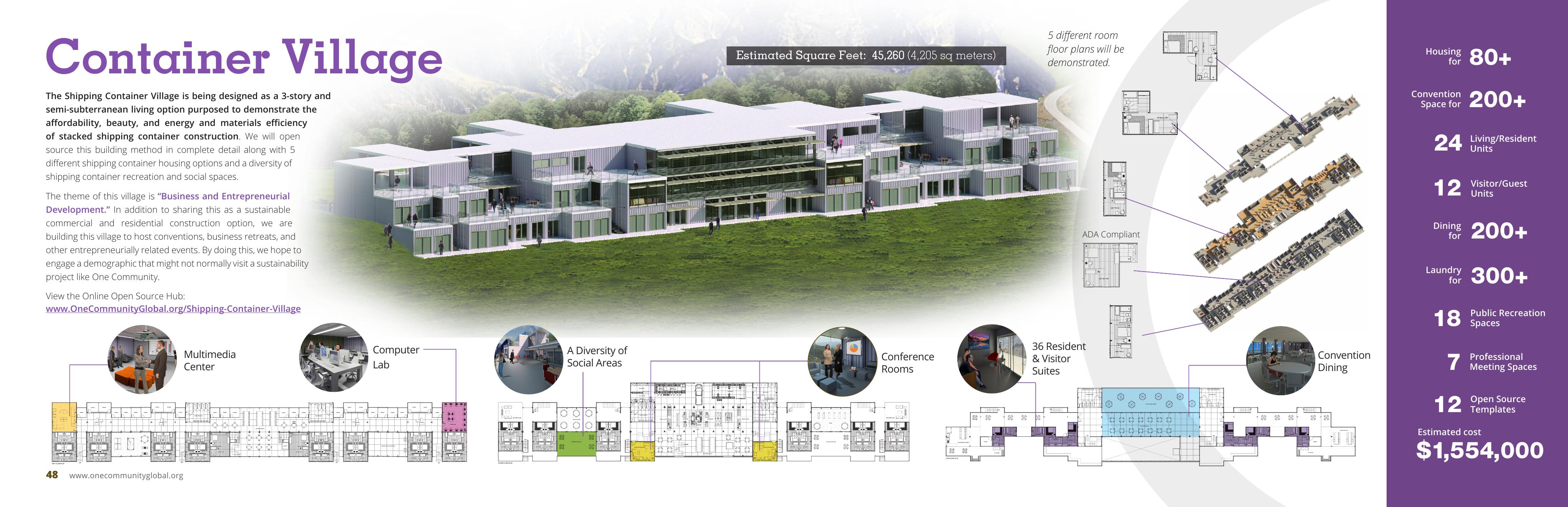
Village 5 combines every daily-life function required to stabilize veterans and families:
Residential districts: Long-term suites, transitional rooms, and flexible family pods located on secure, staff-observable corridors.
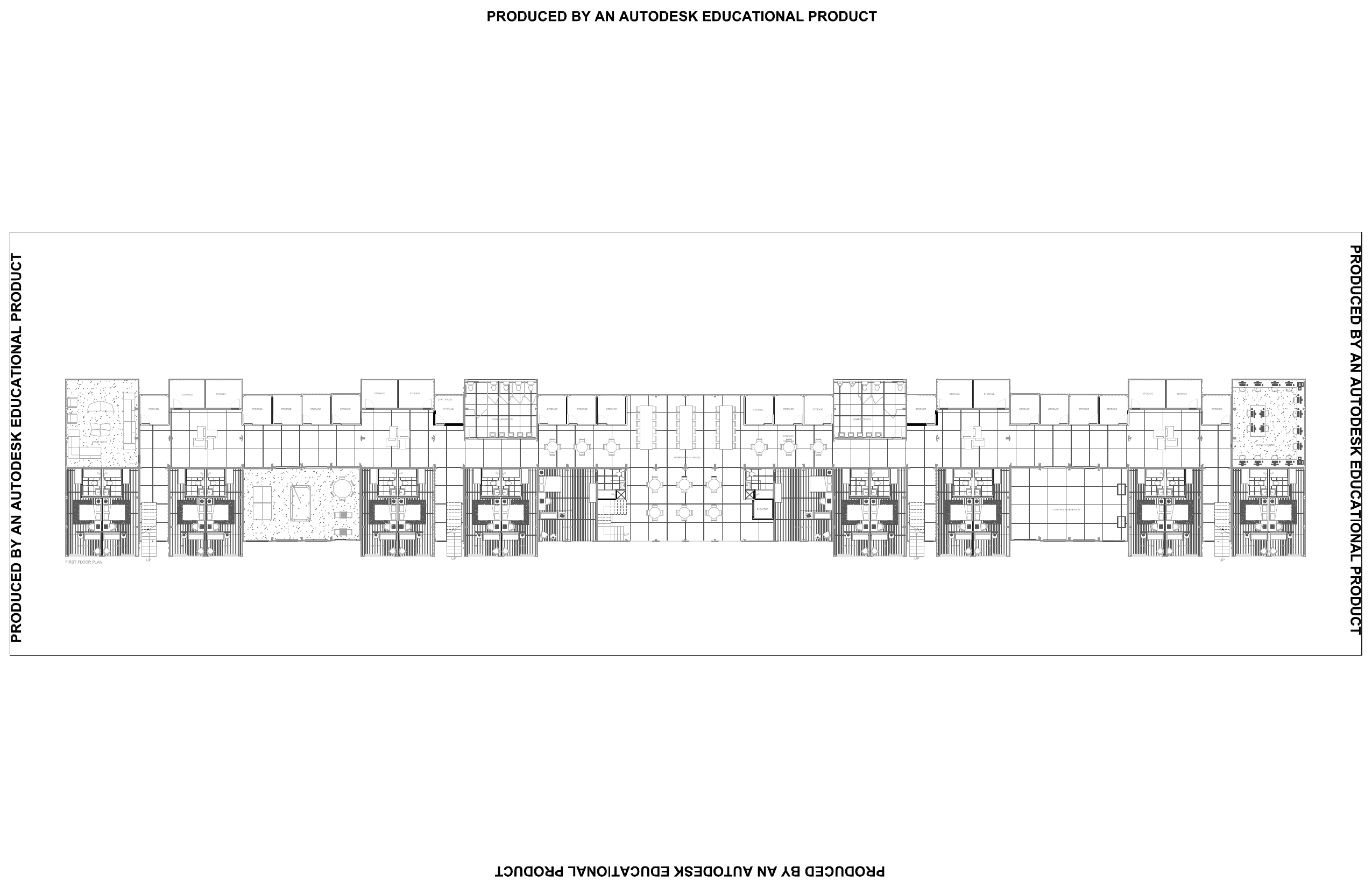
Food systems: A commercial kitchen and 200-seat dining hall that can surge to thousands of meals per day during emergency activations.
Behavioral health: Confidential counseling rooms, VA-aligned service-navigation offices, and trauma-informed group spaces.
Training & workforce: Classrooms, computer labs, and maker spaces delivering construction, agriculture, IT, hospitality, and peer-support curriculum.
Logistics hub: Laundry, storage, loading bays, and supply circulation hallways that connect to the CRC, The Vault, and the agriculture district.
Visitor integration: 12 guest suites for families, visiting clinicians, VA partners, and executives supporting mission oversight.
This single structure keeps veterans housed, fed, trained, and supported without leaving campus.
Operations & Readiness
Village 5 operates on a “dual-mode” playbook: steady-state resident services and rapid pivot to emergency support.
The pivot is driven by checklists, color-coded signage, and pre-staged gear. Resident dignity remains the first
principle in all modes.
Steady-State Ops
Daily case-management, counseling schedules, and small-group classes.
Predictive maintenance rounds (with mobile CMMS) for roofs, gutters, PV, pumps, and life-safety systems.
Inventory control for PPE, first-aid, potable water, and shelf-stable food caches.
Emergency Pivot (72-Hour Ready)
Activation: Staff paging, resident comms, and a status board synchronized with the CRC.
Functions: Intake triage overflow, light logistics staging, family reunification support, and ADA-compliant respite areas.
Power/Water: Automatic switchover to microgrid islanding; potable and non-potable taps labeled; portable toilets/showers staged as needed.
Security: Access-control profiles shift to emergency roles; camera zones and lighting move to high-visibility presets.
Life-Safety & Compliance
Design for local wind/seismic code with ASCE 7-22 reference criteria and FEMA sheltering guidance for spaces of refuge.
NFPA-aligned egress lighting, generator interfaces, and fuel safety where temporary gensets may be used.
ADA/ABA compliant routes, signage, and restrooms throughout all public-facing areas.
Sustainability & Utilities
Utility stubs and rooftops are arranged to integrate with the campus microgrid and water systems while keeping
maintenance practical. The district reduces load through passive design and right-sized equipment before adding
generation or storage.
Energy: High-albedo roofs, efficient fans/mini-splits, roof PV where shading allows, and smart sub-metering for load transparency.
Water: Low-flow fixtures, rain capture to campus cisterns, bioswale infiltration, and greywater-ready plumbing where code-permitted.
Reclaimed supply: Connections to the Waste Management & Treatment network send irrigation-grade water to courtyards and utility sinks, lowering potable demand for residences.
Materials: Moisture-tolerant assemblies, corrosion-resistant fasteners, repairable cladding, and hurricane-rated openings.
Waste: Source-separation stations sized for normal and surge volumes; pest-resistant storage; scheduled campus-wide pickup.
Financial Tie-In
Village 5 is both a mission engine and an economic stabilizer. It contributes directly to the campus pro-forma by
(1) anchoring year-round occupancy and service reimbursements where applicable, (2) lowering OPEX via passive
cooling, efficient equipment, and shared infrastructure, and (3) enabling emergency contracts and reimbursements
during declared events without displacing residents.
Cost Discipline: Modularized building types, repetitive details, and shared parts across the campus reduce capex and lifecycle costs.
Revenue & Offsets: Housing program reimbursements, training grants, philanthropy, and campus-level energy sell-back offsets.
Risk Mitigation: Hardening and rapid-recovery design limit downtime and uninsured losses, protecting campus cash flow.
Detailed line items, assumptions, and sensitivity are maintained on Financials.
Village-specific OPEX/CAPEX roll up there for investor and agency review.
How Village 5 Advances the Five Pillars
Five core pillars are shown first; supporting highlights are labeled.
Humanitarian Impact
Anchors 60-80 veteran units and 20-30 family units campus-wide, plus 12 visitor suites to keep veterans and families together during recovery.
Commercial kitchen and laundry systems produce thousands of meals per day and support 300+ residents.
Local Workforce Development
Classrooms, computer labs, and shops deliver microgrid, agriculture, culinary, and facilities training.
Residents progress directly into 95-120 full-time campus roles or partner employers on St. Croix.
Scalable & Replicable Model
Modular planning ties Village 5 to future campuses (Texas phase) using the same operational blueprint.
Documented playbooks cover housing layouts, staffing ratios, and dual-use checklists.
Integrated Economic Self-Sufficiency
Village 5 underpins revenue streams (retreats, culinary training, VA reimbursements) that fund operations.
Energy, water, and food systems reduce recurring costs and keep programming viable long term.
Operational Resilience
Hardened construction remains online during blackouts with priority power from the microgrid.
Logistics corridors connect to the CRC and ELZ so Village 5 can pivot into staging and shelter support without displacement.
Supporting System
Campus Integration & Logistics
Dedicated corridors link Village 5 to the CRC, The Vault, agriculture district, and ELZ for seamless support.
Resident services stay active while food, laundry, and storage capacities surge to campus-wide needs.
Village 5 Renderings & Plans
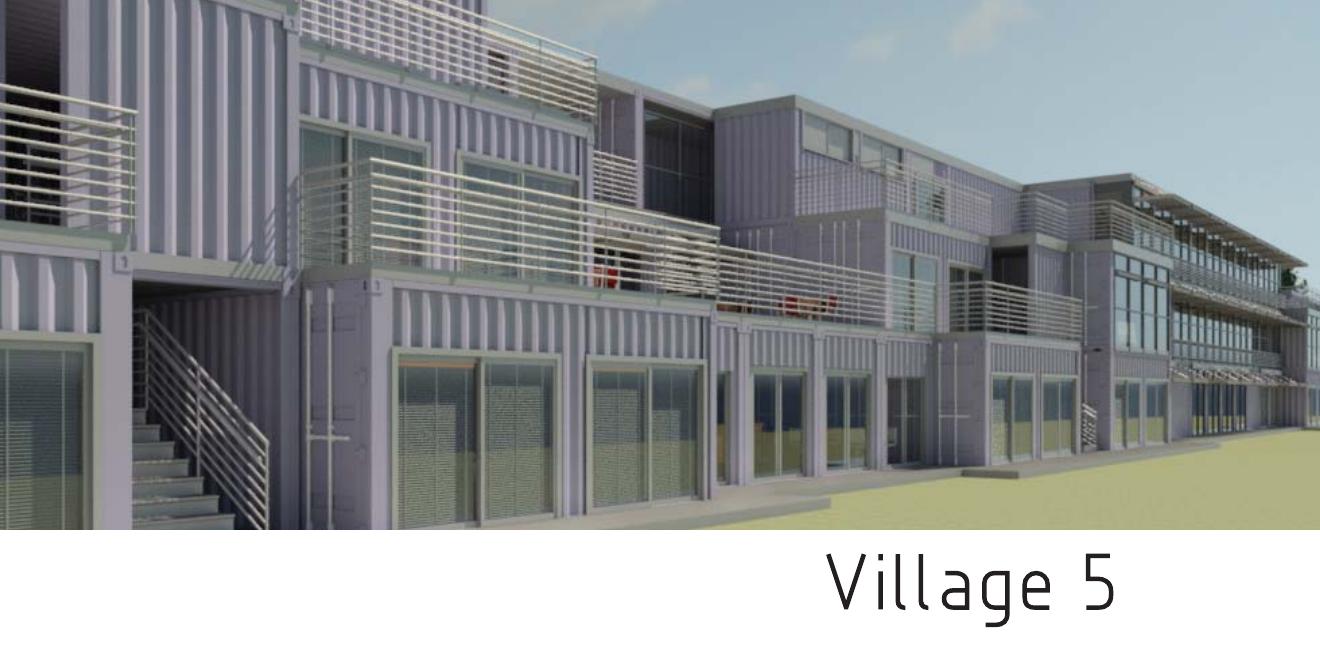
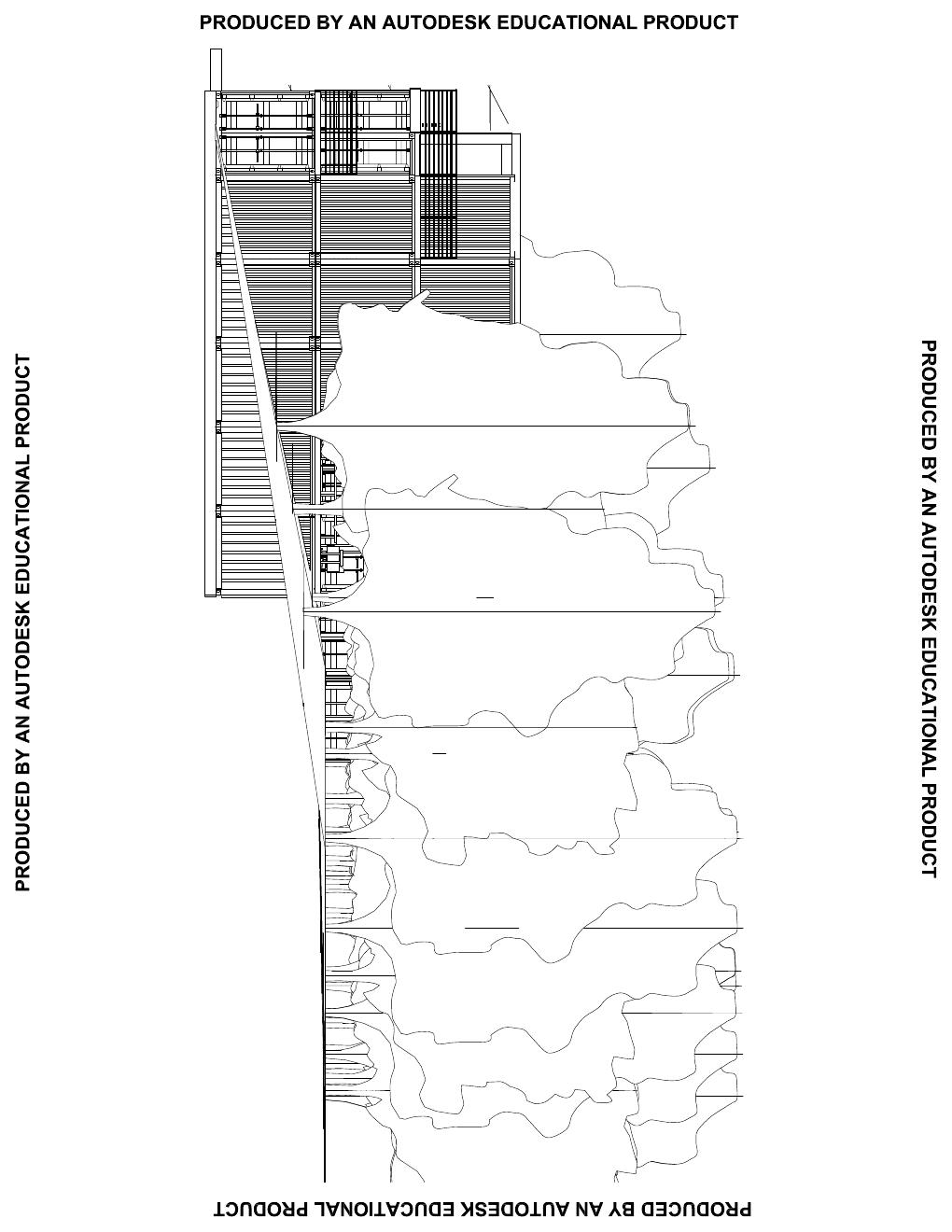
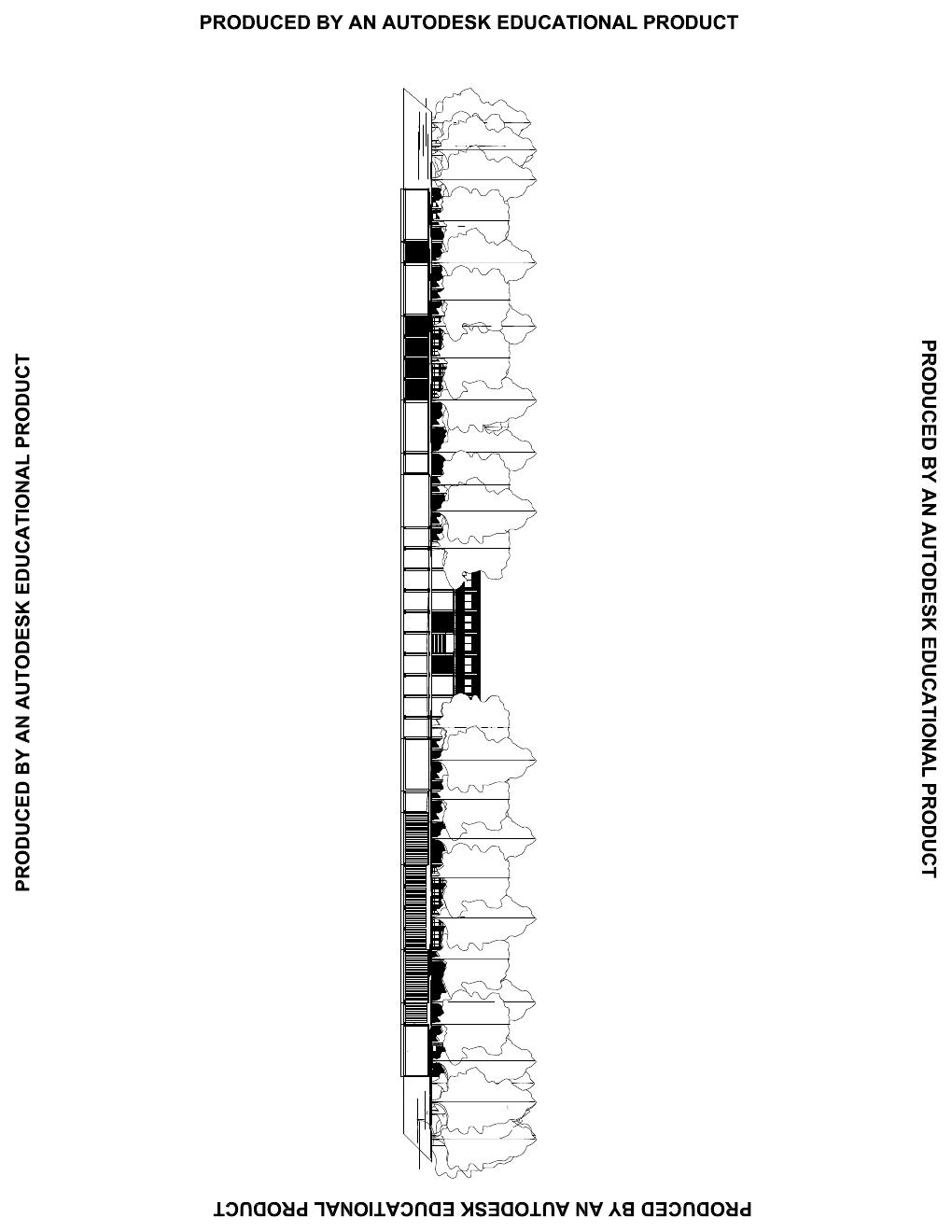
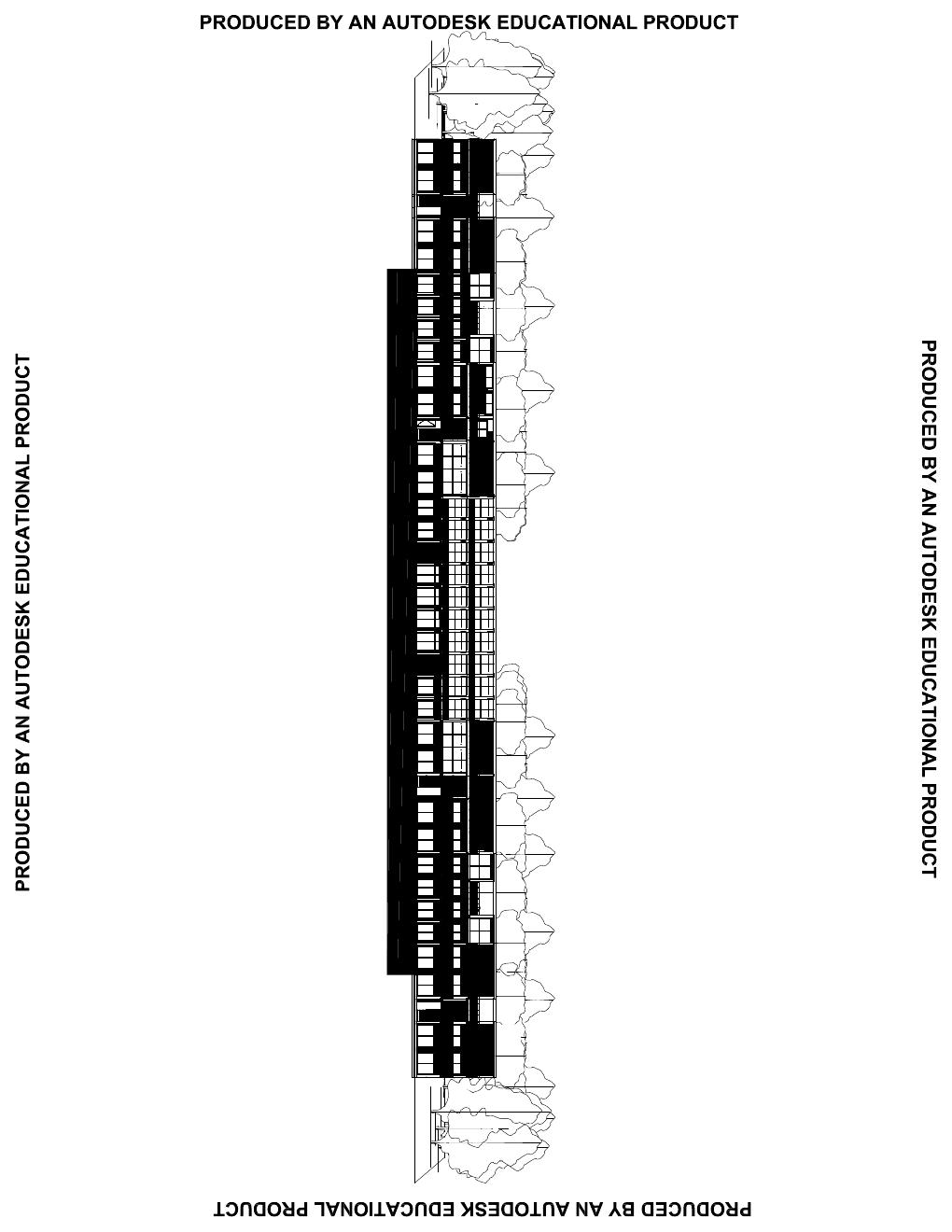
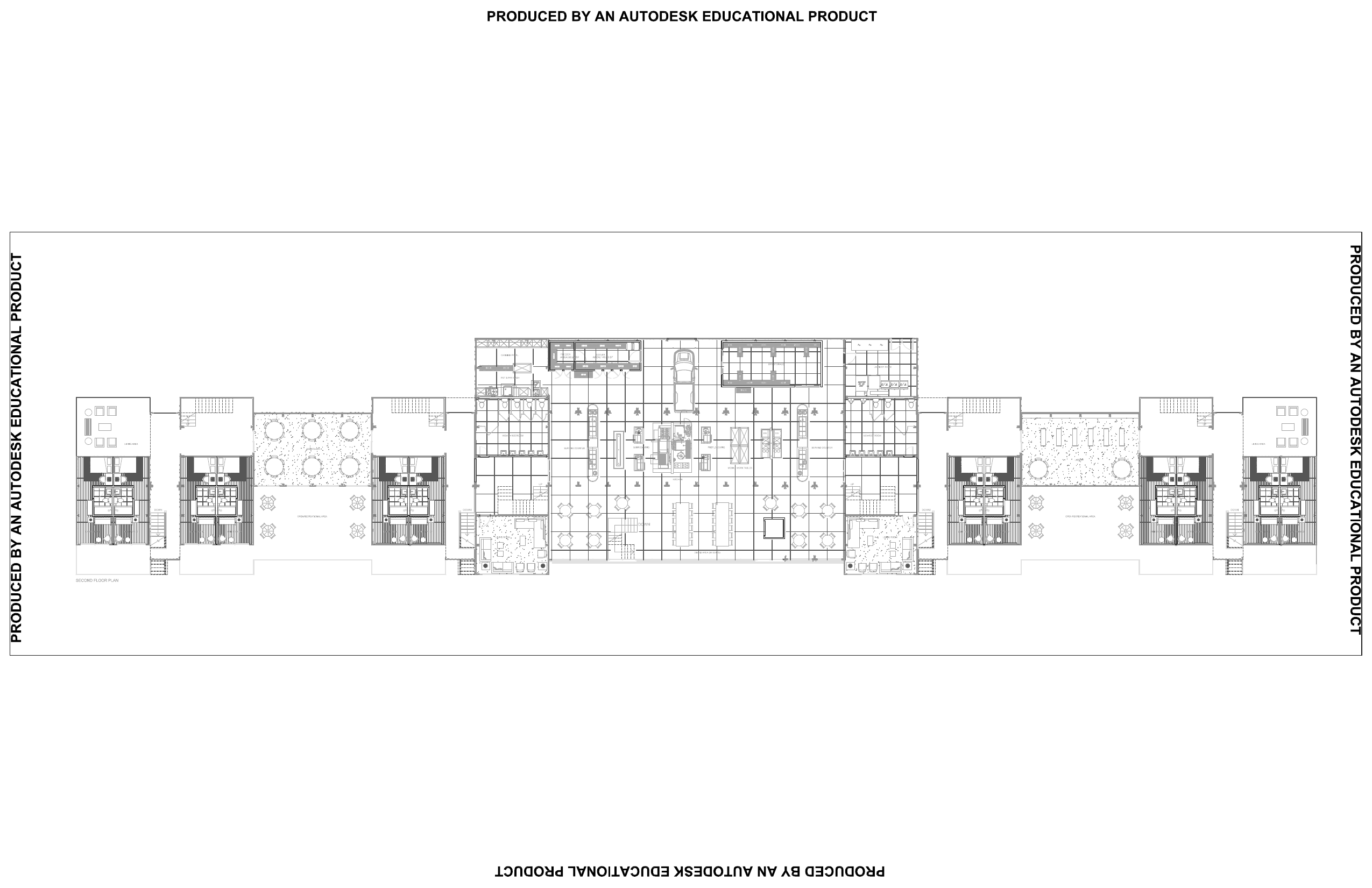
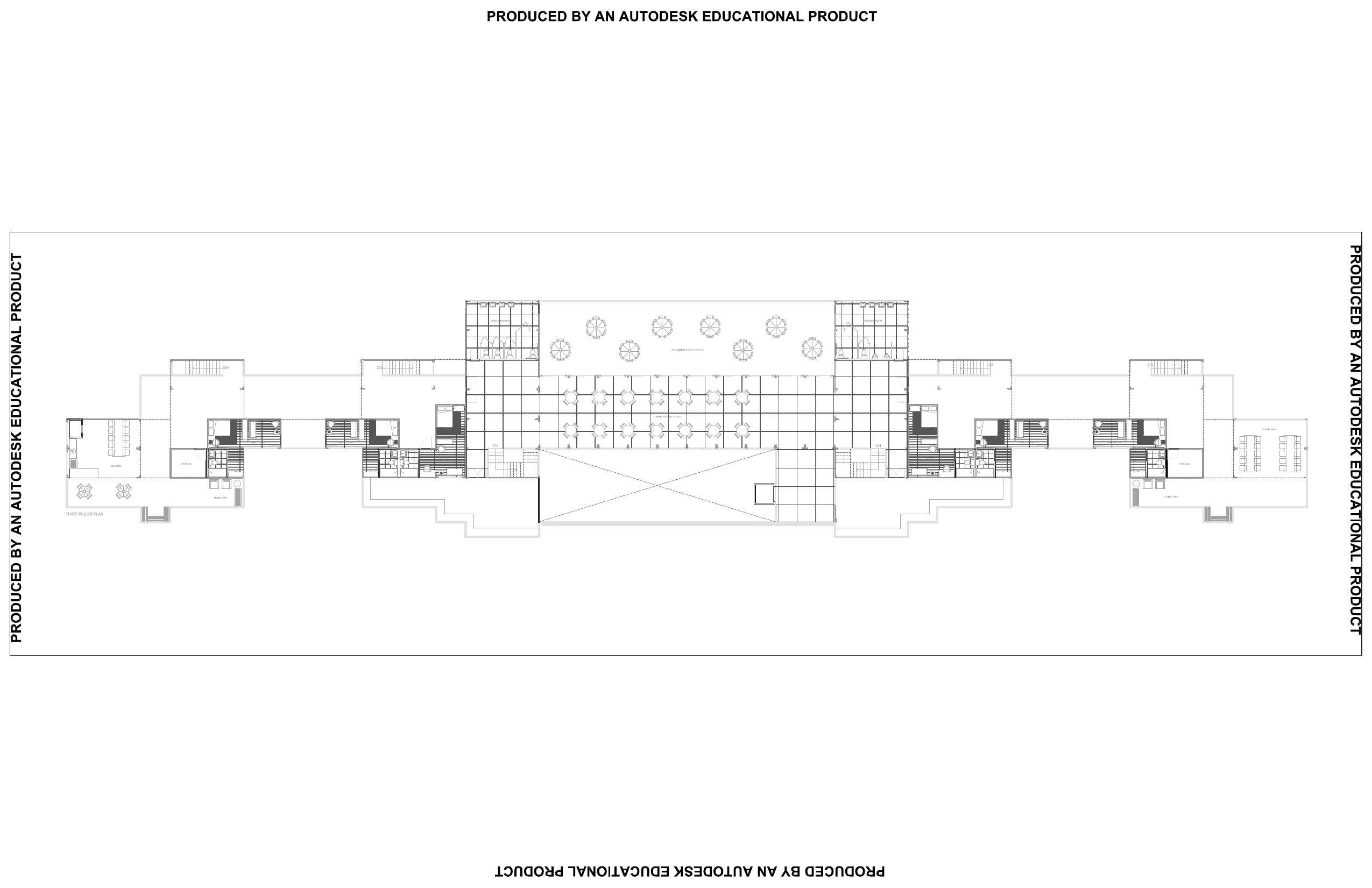
Container village concept illustrating massing and terraces.Program summary and amenity sections from concept book.Updated exterior perspective with context.Program stack and amenity overview.East elevation showing modular rhythm and glazing.North elevation highlighting circulation spines.South elevation with shading systems.First floor plan showing dining, training, and support areas.Second floor residences and program spaces.Third floor residential clusters and terraces.
Search the site
Connect with STX Vets Project
Message our team
Whether you represent investors, federal partners, local government, or you are an individual supporter, we would love to hear from you. Choose the option that fits best and send us a note.